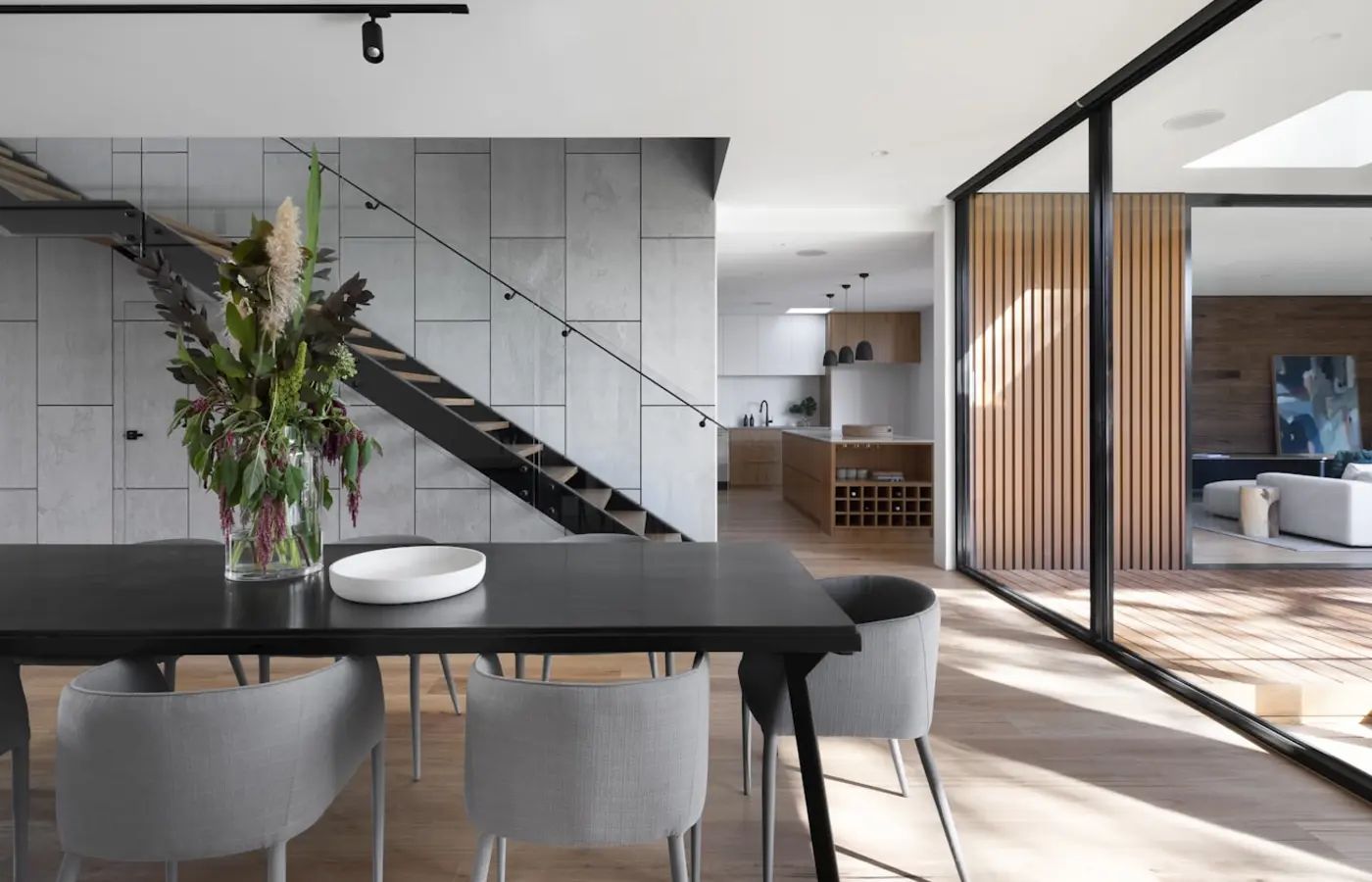
A Saturday of inspections produces an awkward mix of floorplans, sales talk, photos, emotions and half-remembered details. Without a shared structure, the newest or most beautifully presented property can dominate. Consistent comparison does not remove judgement. It gives judgement a stable set of facts and observations to work with after the immediate excitement has passed.
Use the same criteria for every home
Create the comparison fields before the first inspection. Include basic eligibility, important preferences, evidence gaps and the subjective checks that matter to the household. If a new criterion emerges, add it to all active candidates where possible. A property should not win because it was the only one assessed against an easier list.
Separate eligibility, fit and confidence
First ask whether any verified hard rule fails. Then compare how well the remaining homes satisfy preferences. Finally, show how complete the evidence is. These three questions should not collapse into one number. A high apparent fit with several unknown inputs deserves different attention from a slightly lower fit supported by complete evidence.
- Status: eligible, excluded or needs verification
- Fit: strength against weighted preferences
- Coverage: how much important evidence is usable
- Inspection notes: subjective observations with time and author
Record a short reason for each reaction
A like or dislike is more useful when it has a reason. Ask each buyer to note the strongest positive, the largest concern and one unknown. Independent reactions reduce groupthink, while concise reasons reveal whether disagreement concerns a fact, a preference or a different interpretation of the same observation.
Compare again after a cooling-off period
Review the structured shortlist later, when staging and agent interaction are less vivid. Check photos against notes, resolve obvious evidence gaps and revisit the original profile. The goal is not to suppress emotion; homes are lived in. It is to make sure emotion is considered alongside the practical requirements that prompted the search.
This article provides general information only. It is not legal, financial, valuation, building-inspection or property advice. Check important facts with the relevant source and seek qualified advice for your circumstances.